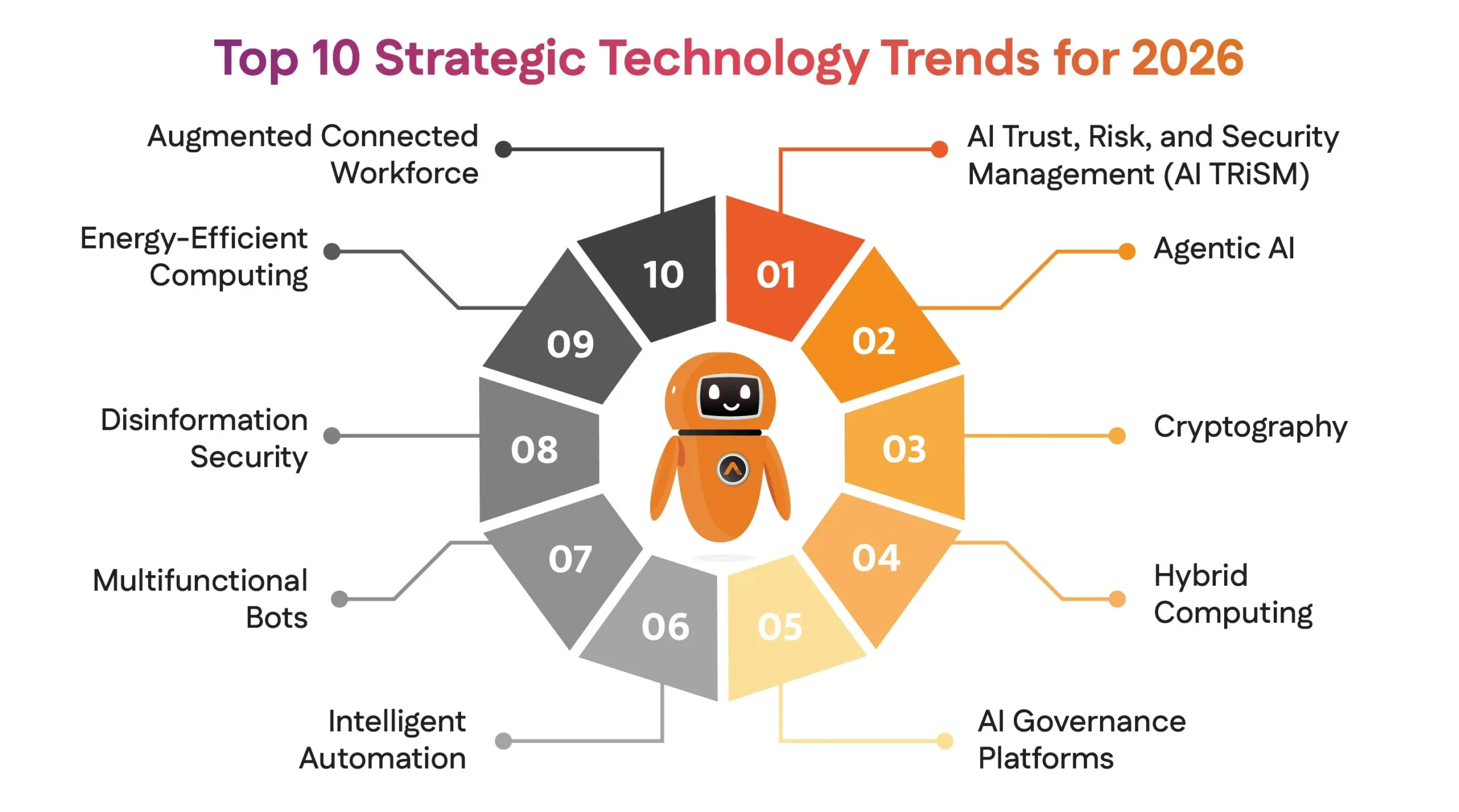
AVTMEX in 2026: Trends and Future Potential
Introduction
As digital systems continue to evolve rapidly, terms like AVTMEX are increasingly associated with modern automation, data processing, and integrated technology frameworks. By 2026, the conversation around AVTMEX is expected to shift from basic understanding toward practical adoption, innovation, and long-term potential. Even though AVTMEX is not a strictly defined global standard, it is often used to describe systems or approaches focused on improving efficiency through technology.
The Current Direction of AVTMEX Development
In recent years, digital transformation has accelerated across industries such as business, education, logistics, and communication. Within this context, AVTMEX represents the growing demand for systems that can:
- Automate repetitive tasks
- Integrate multiple platforms
- Improve data accuracy
- Enhance workflow efficiency
By 2026, these needs are expected to become even more important as organizations handle larger volumes of data and more complex operations.
Key Trends Shaping AVTMEX in 2026
1. Greater Automation in Daily Operations
One of the strongest trends is the expansion of automation. AVTMEX-related systems are expected to handle more tasks without human intervention, reducing manual workload and increasing productivity. This includes everything from data entry to process management.
2. Smarter Data Processing
In 2026, AVTMEX concepts are likely to align more closely with intelligent data systems. Instead of simply organizing information, future systems may analyze patterns, detect anomalies, and support decision-making processes more effectively.
3. Integration Across Platforms
Modern digital environments rely on multiple tools working together. A major trend for AVTMEX is deeper integration between systems, allowing seamless communication between applications, databases, and user interfaces.
4. User-Centric Design Improvements
Another important trend is usability. Systems associated with AVTMEX are expected to become more user-friendly, with simpler interfaces and more intuitive controls, making them accessible to non-technical users.
Future Potential of AVTMEX
Expansion Across Industries
The potential applications of AVTMEX are broad. In the future, it may be applied more widely in industries such as finance, healthcare, logistics, and education. Each sector can benefit from improved efficiency and automation.
Support for Artificial Intelligence
As artificial intelligence continues to grow, AVTMEX-style systems may become more intelligent. AI integration could allow these systems to learn from data, adapt to user behavior, and improve performance over time.
Improved Decision-Making Systems
Another area of potential is decision support. By processing large amounts of data quickly, AVTMEX systems could help organizations make faster and more informed decisions.
Scalability and Cloud-Based Growth
Cloud computing is expected to play a major role in the future of AVTMEX. Scalable systems will allow users to expand their operations without needing complex infrastructure changes.
Challenges Moving Forward
Despite strong potential, AVTMEX in 2026 will still face challenges. These include:
- Data privacy and security concerns
- Complexity in system integration
- Lack of standard definitions and frameworks
- Need for skilled implementation and maintenance
Addressing these challenges will be essential for long-term success and adoption.
Conclusion
By 2026, AVTMEX is expected to represent more advanced and efficient digital systems focused on automation, integration, and intelligent data handling. While the concept continues to evolve, its future avtmex.com potential lies in its ability to simplify complex processes and support smarter decision-making. As industries continue to digitize, AVTMEX-like systems may become an important part of everyday digital infrastructure, shaping how work is done across multiple sectors.
AVTMEX in 2026: Trends and Future Potential
Introduction
As digital systems continue to evolve rapidly, terms like AVTMEX are increasingly associated with modern automation, data processing, and integrated technology frameworks. By 2026, the conversation around AVTMEX is expected to shift from basic understanding toward practical adoption, innovation, and long-term potential. Even though AVTMEX is not a strictly defined global standard, it is often used to describe systems or approaches focused on improving efficiency through technology.
The Current Direction of AVTMEX Development
In recent years, digital transformation has accelerated across industries such as business, education, logistics, and communication. Within this context, AVTMEX represents the growing demand for systems that can:
- Automate repetitive tasks
- Integrate multiple platforms
- Improve data accuracy
- Enhance workflow efficiency
By 2026, these needs are expected to become even more important as organizations handle larger volumes of data and more complex operations.
Key Trends Shaping AVTMEX in 2026
1. Greater Automation in Daily Operations
One of the strongest trends is the expansion of automation. AVTMEX-related systems are expected to handle more tasks without human intervention, reducing manual workload and increasing productivity. This includes everything from data entry to process management.
2. Smarter Data Processing
In 2026, AVTMEX concepts are likely to align more closely with intelligent data systems. Instead of simply organizing information, future systems may analyze patterns, detect anomalies, and support decision-making processes more effectively.
3. Integration Across Platforms
Modern digital environments rely on multiple tools working together. A major trend for AVTMEX is deeper integration between systems, allowing seamless communication between applications, databases, and user interfaces.
4. User-Centric Design Improvements
Another important trend is usability. Systems associated with AVTMEX are expected to become more user-friendly, with simpler interfaces and more intuitive controls, making them accessible to non-technical users.
Future Potential of AVTMEX
Expansion Across Industries
The potential applications of AVTMEX are broad. In the future, it may be applied more widely in industries such as finance, healthcare, logistics, and education. Each sector can benefit from improved efficiency and automation.
Support for Artificial Intelligence
As artificial intelligence continues to grow, AVTMEX-style systems may become more intelligent. AI integration could allow these systems to learn from data, adapt to user behavior, and improve performance over time.
Improved Decision-Making Systems
Another area of potential is decision support. By processing large amounts of data quickly, AVTMEX systems could help organizations make faster and more informed decisions.
Scalability and Cloud-Based Growth
Cloud computing is expected to play a major role in the future of AVTMEX. Scalable systems will allow users to expand their operations without needing complex infrastructure changes.
Challenges Moving Forward
Despite strong potential, AVTMEX in 2026 will still face challenges. These include:
- Data privacy and security concerns
- Complexity in system integration
- Lack of standard definitions and frameworks
- Need for skilled implementation and maintenance
Addressing these challenges will be essential for long-term success and adoption.
Conclusion
By 2026, AVTMEX is expected to represent more advanced and efficient digital systems focused on automation, integration, and intelligent data handling. While the concept continues to evolve, its future avtmex.com potential lies in its ability to simplify complex processes and support smarter decision-making. As industries continue to digitize, AVTMEX-like systems may become an important part of everyday digital infrastructure, shaping how work is done across multiple sectors.